
01
One badge, two cars, no shared parts
The earlier Colt was Mitsubishi's own small hatchback, built in Japan and sold here through the two thousands in both three and five door forms. Engines were the 1.1, the 1.3 and the 1.5, all naturally aspirated, plus the CZT which added a turbocharger to the 1.5 and turned the car into something enthusiasts noticed.
The later Colt is a Renault underneath, built on the same foundations as the Clio. That is not a criticism, and it does mean that everything about the car is different: engine family, electronics, and the way the software is accessed. Which Colt you own is settled from the registration.
02
What happens on a small petrol, honestly
This is where a page like this earns its keep, because the honest answer on a naturally aspirated 1.1 or 1.3 is that the return is modest. There is no turbocharger, so there is no boost pressure to adjust and no large reserve sitting unused. An owner expecting a transformation will not get one.
What a calibration can do is sharpen the relationship between the pedal and the engine. Response off the line improves, the engine picks up more cleanly from low speed, and a car used mostly in town feels a little less sluggish. On a light hatchback that is more useful than it sounds, because the car's weight is on your side.
We will say plainly whether the work is worth the money for your car. On a high mileage 1.1 used for short school runs, it often is not, and telling you so is part of the job.
03
The CZT is the one with room to work
The CZT is the exception in the range and the reason some of these cars are still cherished. A turbocharged 1.5 in a light three door body is a good recipe, and the manufacturer left margin in the file for all the usual reasons.
That margin is what a calibration recovers. The change is felt most in the middle of the rev range, where the turbo is already spinning and the car is pulling. Owners describe a car that feels more urgent without feeling strained.
Cars of this age need attention first. Boost pipes harden and split, the intercooler and its connections deteriorate, and a turbo that has been run on budget oil for fifteen years will show it. The inspection covers all of that, and a boost leak found in time saves a lot of disappointment later.
04
Why the check matters more than the file
A small petrol Colt is inexpensive to buy and, sadly, an easy one to neglect. That shows up in predictable ways: old plugs, a dirty throttle body, a perished breather hose, a coolant system that has not seen fresh fluid in years.
None of those faults care whether the car is tuned. They do mean that a calibration written for a healthy engine will not behave as it should on a tired one.
We read fault memory from every module, check the live data with the engine warm, and drive the car. Where something needs fixing, we say so and stop. Our page on diagnostic health checks explains what that covers in detail, and anyone wondering how a modified car sits with insurers should read the safety explainer.
Small turbo cars also attract budget modifications, and a CZT bought secondhand may well arrive with a file already on it or a box spliced into the wiring. Either has to be identified before new software is written.
A previous map of unknown origin is a reason to begin again rather than build on it. A tuning box comes out. Unknown software underneath a new calibration is how a small engine becomes an expensive problem.
05
What the day looks like
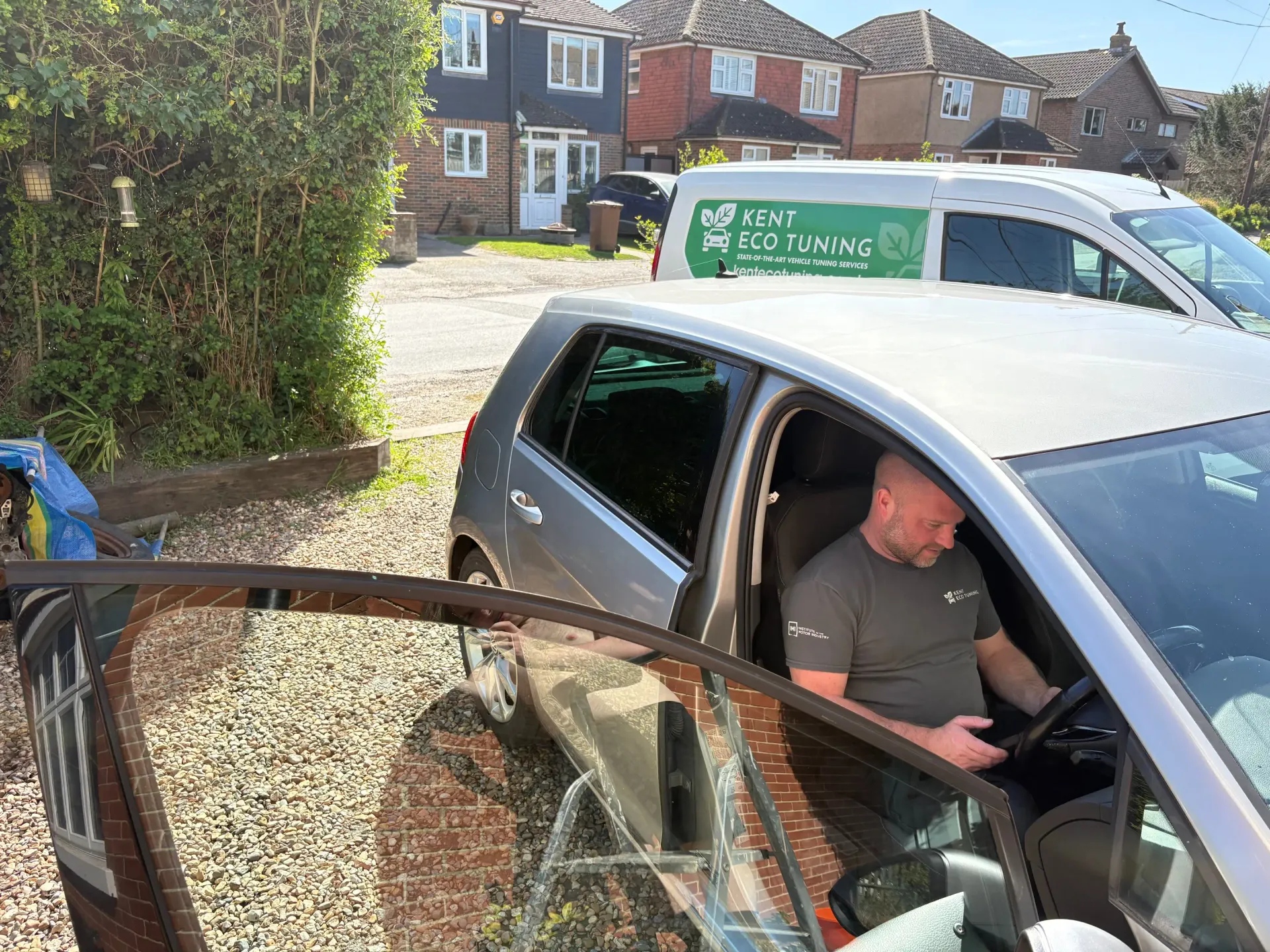
Nothing is collected and nothing is brought to a workshop, because this is a mobile service and the car stays where it lives.
The original file is read and saved. The calibration is written around how you actually use the car: a town runabout and a CZT used on weekend B roads want different files even though the engines are related.
Then the car goes back out for a second set of readings, and the two are compared. That comparison, not the seat of the trousers, is how we know the work is sound.
Insurance should be told about any software change. It is a modification like any other, and the policy needs to be accurate.
06
A five minute conversation
Ring 07946 854971 with the registration and tell us which Colt it is and what you want from it. A short honest answer beats a long sales pitch. The contact form is there if you prefer to write, and the rest of the range is at Mitsubishi remapping.
07
Colt tuning questions
08
Is the later Renault based Colt covered?
That depends on the engine and the electronics it uses. Send the registration and we will confirm before you book anything.
09
How much difference will I feel on a 1.1?
Less than on a turbo car. Expect a crisper throttle and a slightly more willing engine, not a dramatic change.
10
Does a tune hurt fuel economy?
Not if it is written sensibly and driven normally. An economy calibration is available for owners who want to prioritise that.
11
Can you tune a Colt with an existing map?
We can, but the existing file is read first. Where it is poor, we start from a clean base instead of layering on top.
12
Related models
Owners often compare this with Mitsubishi ASX, Mitsubishi Eclipse Cross and Mitsubishi Outlander, and each has its own page covering the engines and what the calibration changes.